

Feeling stressed? Burned out? Disconnected from yourself or others? You’re not alone. As our lives become more fast-paced and screen-heavy, more people are turning to an unexpected source of calm: nature. And here’s the interesting part—therapists are recommending it, too. Not as a replacement for therapy, but as a powerful tool alongside it.
So, what’s the deal with dirt paths, green trees, and open skies? Why are mental health professionals, even at platforms like hellolunajoy.com, pointing their clients toward the great outdoors?
Let’s break it down—and see why this growing trend might just help you feel more grounded, less anxious, and more connected to life.
Nature and the Mind: What’s the Connection?
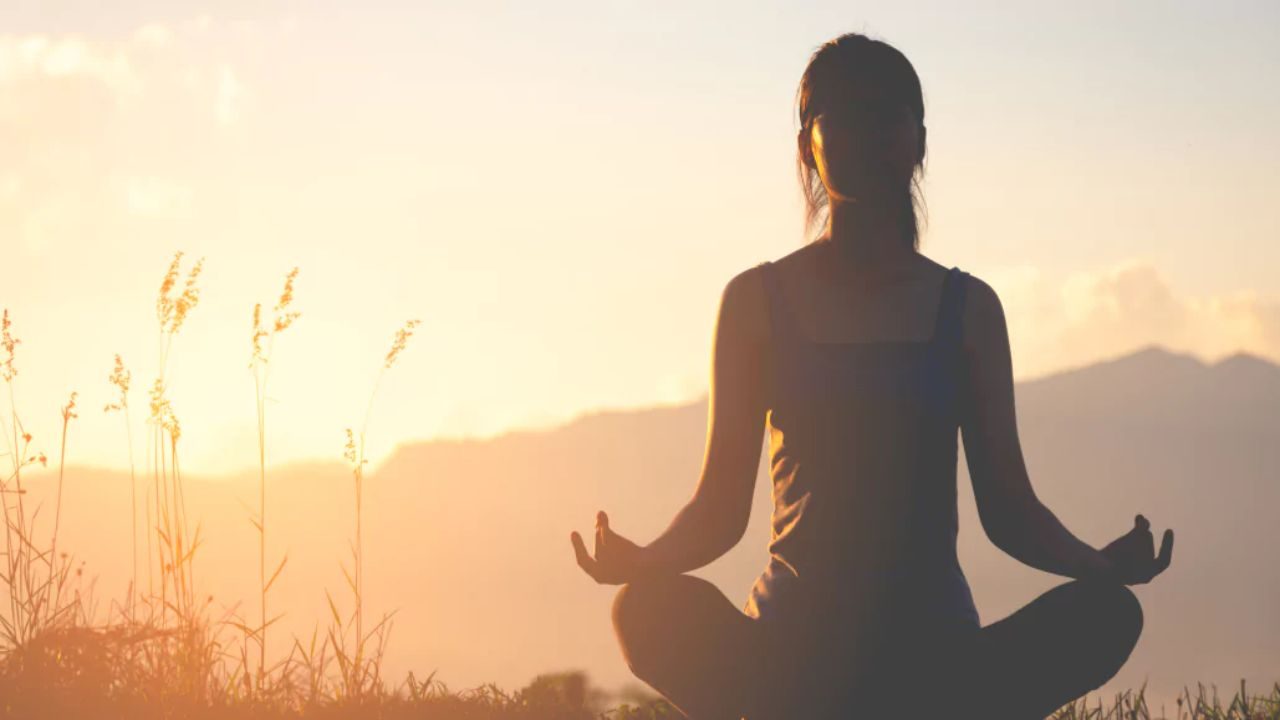
Spending time outside does more than give you a break from your inbox. It does something deeper. Something real. A short walk in the park can lower stress hormones. Trees and fresh air help calm racing thoughts. Natural light improves sleep.
Studies show that time in nature can lower anxiety levels, boost mood and focus, and improve emotional balance.
It’s not magic. It’s how our brains respond to nature’s rhythm. A quiet forest. Waves on the beach. Birds chirping. These aren’t just background noises—they’re therapy for the nervous system.
And here’s where it gets interesting: it also supports things like confidence and self-love. Nature doesn’t judge. It doesn’t care what you wear, how productive you are, or what you said in that awkward meeting last week. Out there, you’re just… you. And that can be powerful.
Why Therapists Are Making the Shift
Not long ago, therapy meant a couch, four walls, and maybe a tissue box. That’s changing. Today, more therapists are encouraging clients to take sessions outside—or at least spend regular time in natural settings between appointments.
Why? Because nature does some of the heavy lifting. It helps people feel safe enough to open up, reflect without pressure, and find mental space to process.
Therapists have noticed that clients feel more relaxed outdoors. Less “on the spot.” More like themselves. And when clients feel more present, therapy can go deeper.
Some professionals even offer “walk and talk” therapy. No chairs. No desks. Just movement, conversation, and the outdoors. It’s simple—but incredibly effective.
Not Just Forests and Mountains
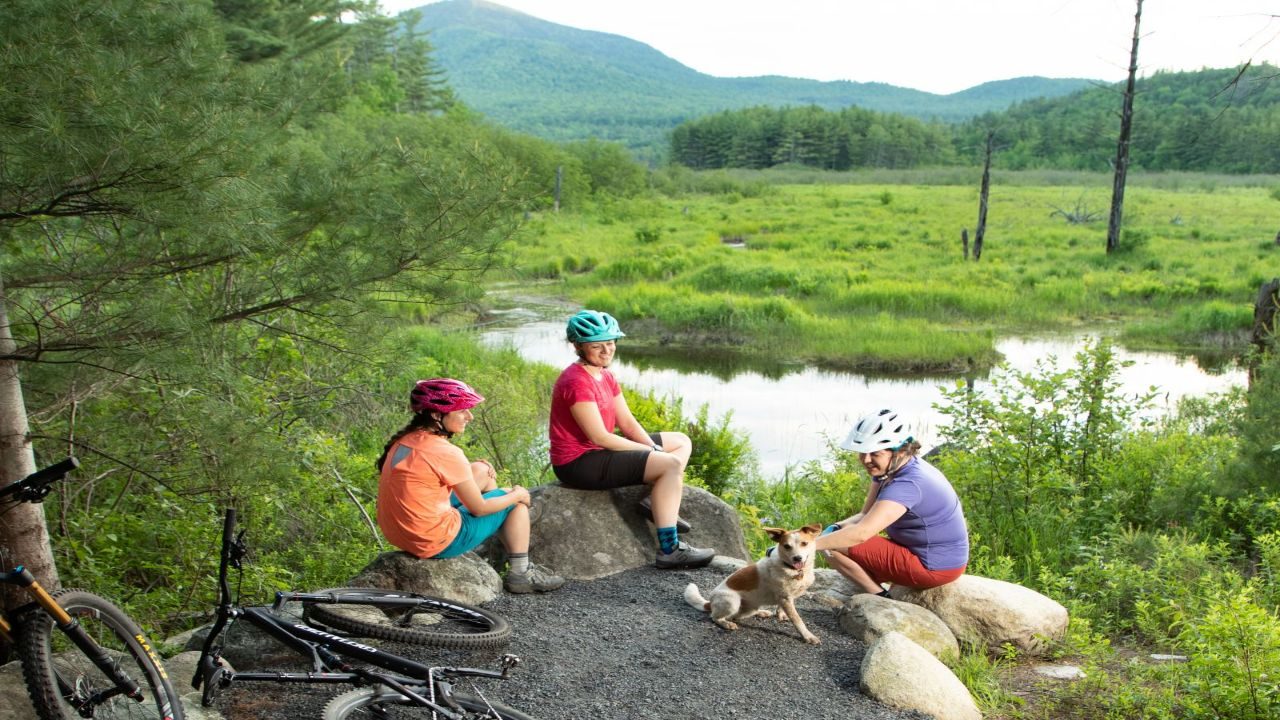
You don’t need to hike through the Rockies or sit by a waterfall to get the benefits. Nature is wherever you can find it. A local park. A patch of grass. Even a quiet corner of your backyard.
Urban therapists often suggest their clients eat lunch outside, walk to run errands instead of drive, visit a local botanical garden, or tend to a balcony garden.
Even small doses help. Think of nature like a vitamin—something your brain craves in regular, simple amounts. And no, you don’t need to be a hardcore outdoorsy type. You don’t have to love camping or own hiking boots. You just need a bit of quiet, a bit of green, and a willingness to slow down.
The Science Behind the Sunshine
It’s not just good vibes and intuition. There’s real science behind all this.
Time in nature lowers cortisol, the stress hormone. It also increases dopamine and serotonin, which are linked to happiness and emotional stability. Even short outdoor activities can lower blood pressure and heart rate.
In one study, people who walked in a natural setting for 90 minutes had lower brain activity in areas linked to depression. Compare that to city walks, where those benefits didn’t show up. That’s pretty telling.
Nature also improves working memory and focus. Which makes it a great companion for people dealing with ADHD, anxiety, or burnout.
What This Means for Mental Health Care
Mental health isn’t one-size-fits-all. That’s why more therapists are expanding their toolkit. And nature is becoming a go-to tool.
Combined with talk therapy, medication (when needed), and other treatments, outdoor time adds another layer of support. Especially in a time when many people feel disconnected from themselves and the world around them.
Online services like hellolunajoy.com even offer guidance on blending therapeutic practices with lifestyle changes like this. Nature can be a starting point, a support system, or a safe place to process heavy emotions.
It’s about more than “feeling good.” It’s about healing in a way that sticks.
Let Nature Do Some of the Work
Therapists aren’t pushing people into the woods to avoid deeper issues. They’re recommending nature because it helps people face those issues with clarity, courage, and calm.
So the next time you’re stuck in your head, try this: step outside. Breathe deeply. Notice the wind, the leaves, the color of the sky. Let your mind settle.
It won’t solve everything. But it might make things feel just a bit more manageable.
And sometimes, that’s precisely what healing looks like.