

A clear, glowing complexion often reflects more than just good luck. It speaks to consistency, informed choices, and a deeper commitment to skincare that goes beyond trend-following. At Clarion Medical & Aesthetics, skin health is approached with precision and care, combining clinical expertise with patient-specific strategies that deliver visible results.
From ingredient-based treatments to simple daily rituals, healthy skin starts with balance. And one of the most overlooked elements in that equation is hydration for healthy skin. Hydrated skin not only looks better, it performs better. Below are six expert-backed strategies that go beyond the surface to help you care for your skin, now and in the long term.
Choose Products That Support Your Skin Barrier
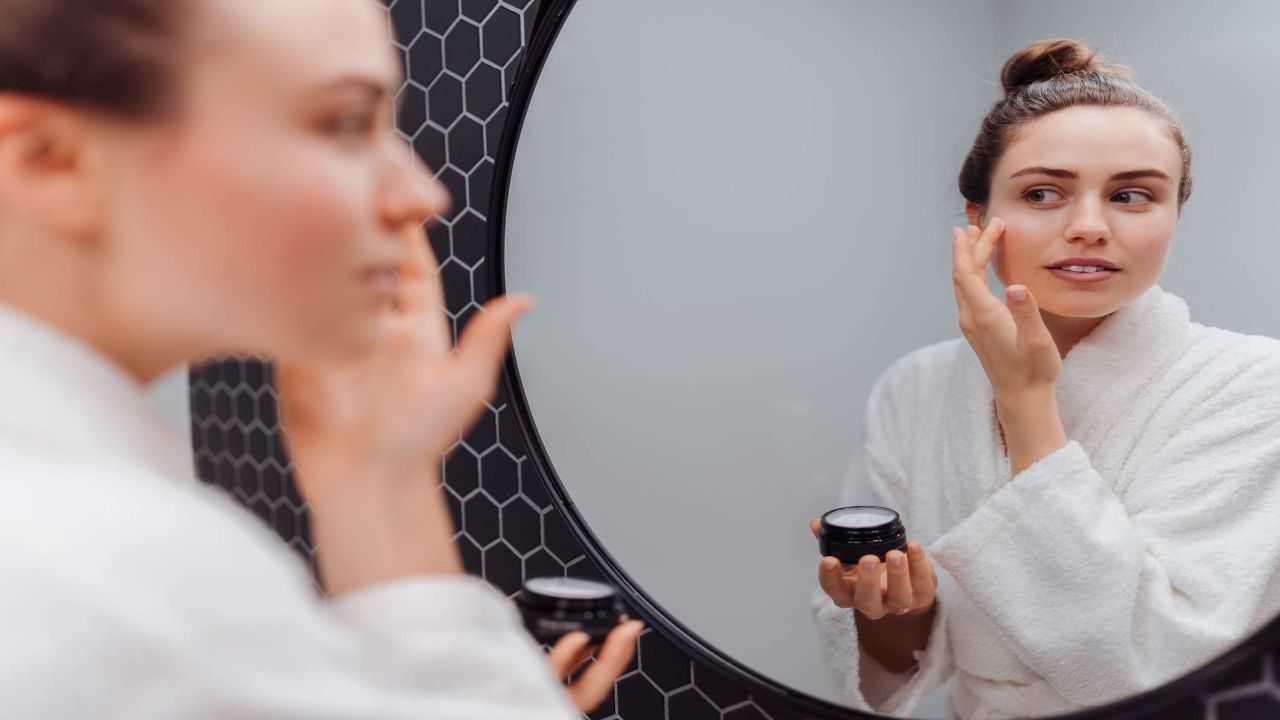
The skin barrier is your first line of defense. It protects against irritants, pollution, and moisture loss. When this protective layer is compromised, skin becomes more prone to inflammation, dryness, and breakouts. The key to keeping it intact lies in choosing products that nourish rather than strip.
Opt for cleansers that are sulfate-free and low in pH. These options clean the skin without disrupting its natural oils. Follow up with serums and moisturizers containing ceramides, fatty acids, and niacinamide, ingredients known to strengthen the skin barrier. If you exfoliate, limit it to once or twice a week using gentle acids like lactic or mandelic acid to avoid over-exfoliation.
Equally important is consistency. Constantly switching products, chasing viral trends, or layering too many activities can do more harm than good. Instead, find a solid routine and stick with it long enough to let your skin respond.
Focus on Internal Support: Diet and Hydration
What goes on your plate affects your face. Healthy skin is tied to a nutrient-rich diet that includes antioxidants, healthy fats, and enough protein. Foods rich in omega-3s, like salmon, walnuts, and flaxseeds, help regulate oil production and reduce inflammation. Meanwhile, colorful fruits and vegetables provide the vitamins your skin needs to repair and renew.
Hydration should never be underestimated. Drinking enough water throughout the day helps your body flush toxins and maintain skin elasticity. But internal hydration alone isn’t enough. You also need topical products that prevent water loss. Humectants like hyaluronic acid attract moisture, while occlusives like squalane or dimethicone help seal it in.
Avoid extreme diets or cleanses. Skin reflects the state of internal health. Starving your body of fats or essential nutrients can lead to dullness, dryness, or even flares of skin conditions like eczema.
Don’t Skip Daily Sun Protection

Sunscreen is non-negotiable. UV radiation doesn’t just cause sunburns; it contributes to 80 to 90 percent of visible aging signs and increases the risk of skin cancer. Yet many people still skip it on cloudy days or during winter months.
A broad-spectrum SPF 30 or higher should be the final step in your morning skincare routine. Mineral-based sunscreens with zinc oxide or titanium dioxide are ideal for sensitive or acne-prone skin. For daily wear, look for lightweight formulas that double as moisturizers or include a hint of tint to replace foundation.
Apply generously and reapply every two hours when outdoors. Don’t forget often-missed areas like the neck, ears, and hands. Daily SPF use is one of the most effective anti-aging habits you can adopt, and it’s easier to prevent damage than to reverse it later.
Manage Stress and Prioritize Rest
Stress isn’t just a mental burden. It shows up physically, and the skin often takes the hit. Cortisol spikes caused by chronic stress can increase oil production, weaken the skin barrier, and trigger flare-ups in conditions like acne, rosacea, or psoriasis.
Finding ways to lower stress isn’t just self-care, it’s skin care. Short daily habits like deep breathing, walking, or quiet screen-free time can lower stress hormone levels. Regular sleep is equally essential. During deep sleep, the body repairs damage, replenishes hydration, and resets inflammatory pathways that affect skin tone and texture.
If your skin shows signs of stress, like dullness, flare-ups, or rough patches, resist the urge to layer more products. Sometimes, the best remedy is giving your body the recovery time it needs.
Invest in Professional Treatments Strategically
Topical skincare can only go so far. In some cases, professional treatments offer a level of precision and depth that at-home routines can’t match. Chemical peels, laser therapy, and microneedling can help improve tone, texture, and collagen production, especially for persistent concerns like acne scars or pigmentation.
That said, more isn’t always better. The best outcomes happen when treatments are chosen based on individual skin goals, history, and type. Consultation with licensed professionals ensures that any intervention is not only safe but suited to your skin’s unique needs.
Clinics like Clarion Medical & Aesthetics offer personalized treatment plans tailored to long-term results. Pairing professional services with a consistent at-home routine can significantly accelerate visible improvements while keeping the skin balanced.
Be Patient and Track Progress
Skin health is not instant. Improvements take time, especially when the focus is long-term vitality rather than temporary fixes. The temptation to change routines quickly or add new products at every sign of trouble can sabotage progress.
Instead, adopt a methodical approach. Introduce one new product at a time and give it several weeks to show effects. Take photos, make notes of changes, and observe how your skin responds over time. Patterns often reveal what works, and what doesn’t.
Patience builds resilience. When skin is allowed to adapt gradually, it becomes more stable and less reactive. Treat skin care as a process, not a project. The reward is not only healthier skin, but a deeper sense of trust in your own routine.
Healthy skin isn’t defined by perfection. It’s about function, comfort, and confidence. By combining smart habits, expert insight, and a bit of patience, you can build a skin routine that lasts, not just through seasonal changes, but for the long haul.