
Installing a flagpole can be a rewarding project that enhances your property’s appearance and displays your patriotism. However, it’s easy to make mistakes during the installation process that can lead to issues down the road. To ensure your flagpole stands tall and proud, let’s explore the top five flagpole installation mistakes and how to avoid them. If you’re interested in learning more about flagpole options, consider checking out a 15 ft flag pole for your next installation. Now, let’s dive into the common pitfalls.
Choosing the Wrong Location
One of the most significant mistakes is selecting an improper location for your flagpole. It’s essential to consider factors such as visibility, wind direction, and the proximity to trees or buildings. Installing a flagpole too close to obstacles can obstruct the view and prevent the flag from flying freely.
Take the time to assess your yard. Choose a spot that provides a clear view of the flag while also considering local regulations regarding height and placement. Ideally, your flagpole should be positioned in a way that allows for optimal visibility from the street and nearby properties.
Ignoring Local Regulations and HOA Guidelines
Before you start digging, it’s crucial to check local regulations and homeowner association (HOA) guidelines. Many neighborhoods have specific rules about the height and placement of flagpoles. Ignoring these regulations can lead to fines or the requirement to remove the flagpole altogether.
Research local zoning laws and HOA guidelines regarding flagpole installations. This step will save you time, money, and potential frustration later. If necessary, reach out to your HOA or local authorities for clarification before proceeding.
Skipping the Foundation
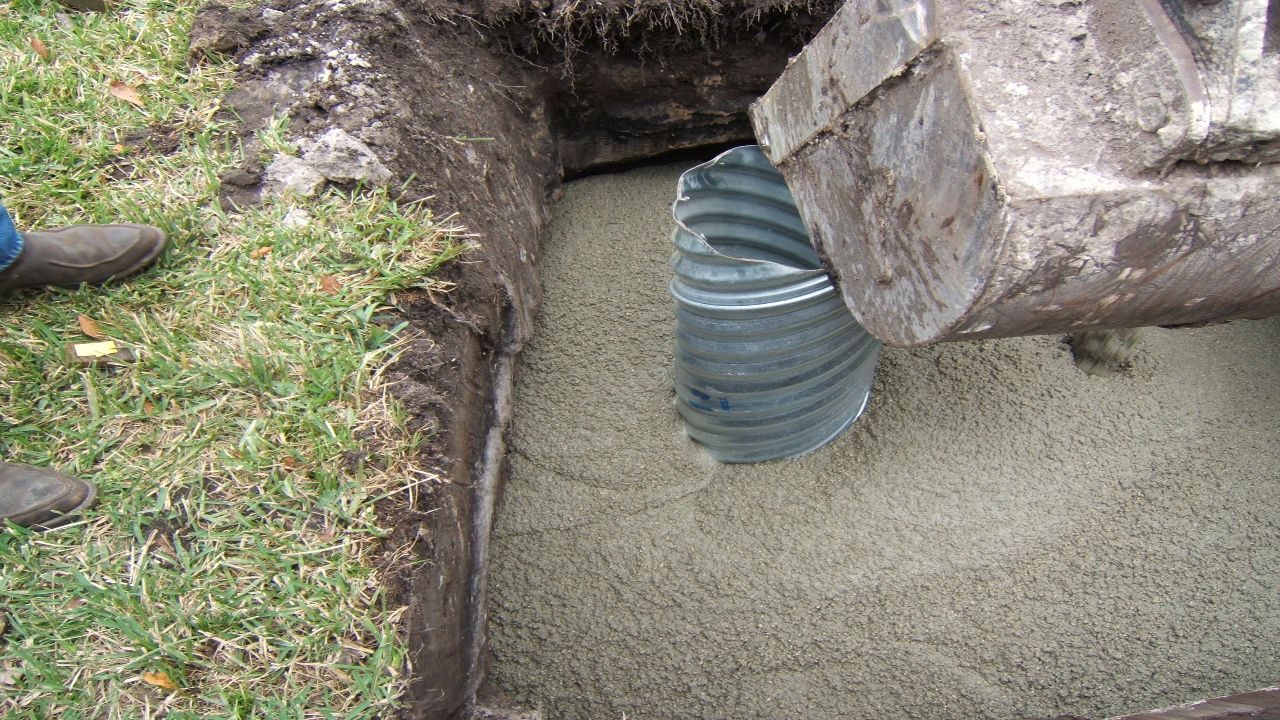
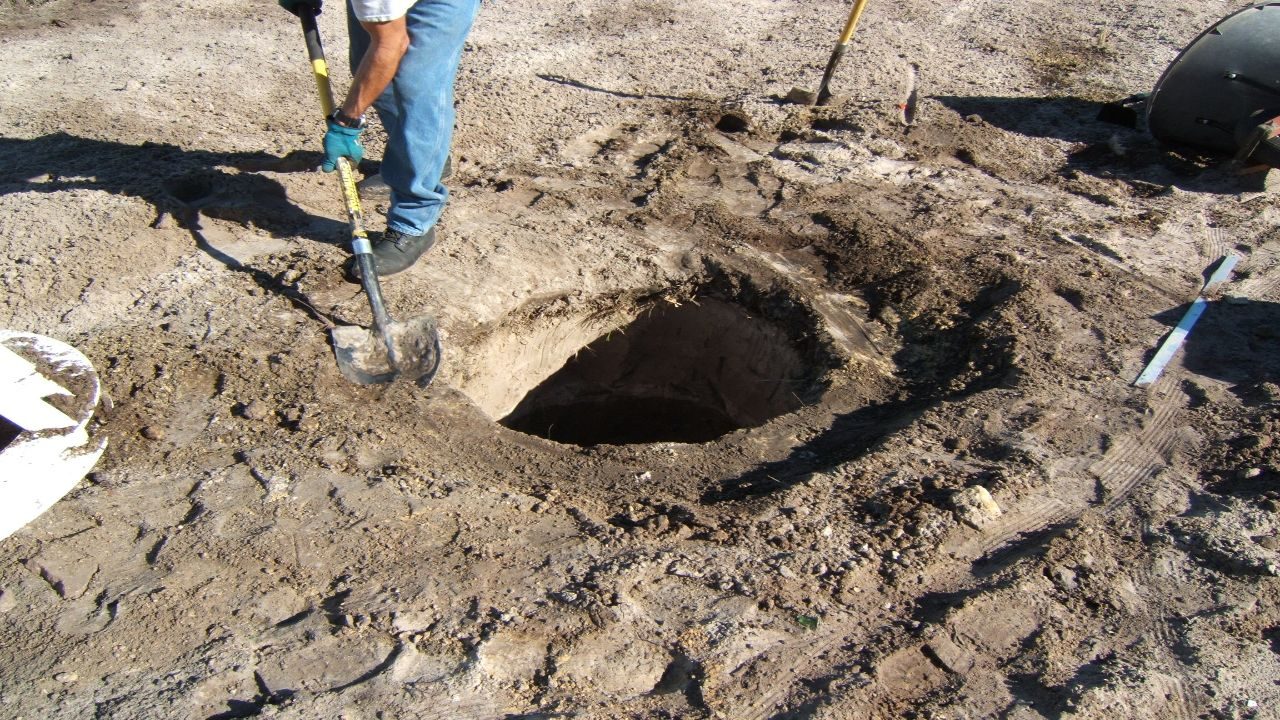
A sturdy foundation is critical for the longevity of your flagpole. Many people underestimate the importance of a proper base, thinking a simple hole will suffice. Without a solid foundation, your flagpole may lean or, worse, fall during adverse weather conditions.
When installing your flagpole, follow the manufacturer’s instructions for creating the foundation. Typically, this involves digging a hole deep enough to accommodate the pole and filling it with concrete. This will provide the stability needed to withstand high winds and other environmental factors.
Incorrect Assembly
Assembling the flagpole incorrectly is a common mistake that can lead to various problems. For instance, if the sections aren’t fitted together properly, the pole may become unstable. Additionally, failing to secure the halyard (the rope used to raise and lower the flag) can lead to the flag being stuck at half-mast.
Carefully read the assembly instructions provided by the manufacturer. Double-check each connection point to ensure they are secure. Consider watching tutorial videos or seeking assistance from someone with experience in flagpole installation if you’re unsure about any steps.
Neglecting Maintenance
After your flagpole is installed, it’s easy to forget about it. However, regular maintenance is essential to ensure its longevity. Weather can take a toll on flagpoles, leading to rust, fading, or wear on the halyard.
Schedule regular maintenance checks. Inspect the pole for signs of rust or damage, and clean the halyard to ensure it functions correctly. Replacing worn parts promptly can prevent more extensive damage down the line. A well-maintained flagpole not only looks better but also stands a better chance against harsh weather conditions.
Installing a flagpole can be a simple yet fulfilling project if done correctly. By avoiding these common mistakes—choosing the wrong location, ignoring regulations, skipping the foundation, incorrect assembly, and neglecting maintenance—you’ll be well on your way to enjoying a beautiful flag display. Remember, a little preparation and care can make a significant difference in the success of your installation.
If you’re eager to start your flagpole project or need high-quality parts, consider checking out UnitedStatesFlag. Happy flag flying!